
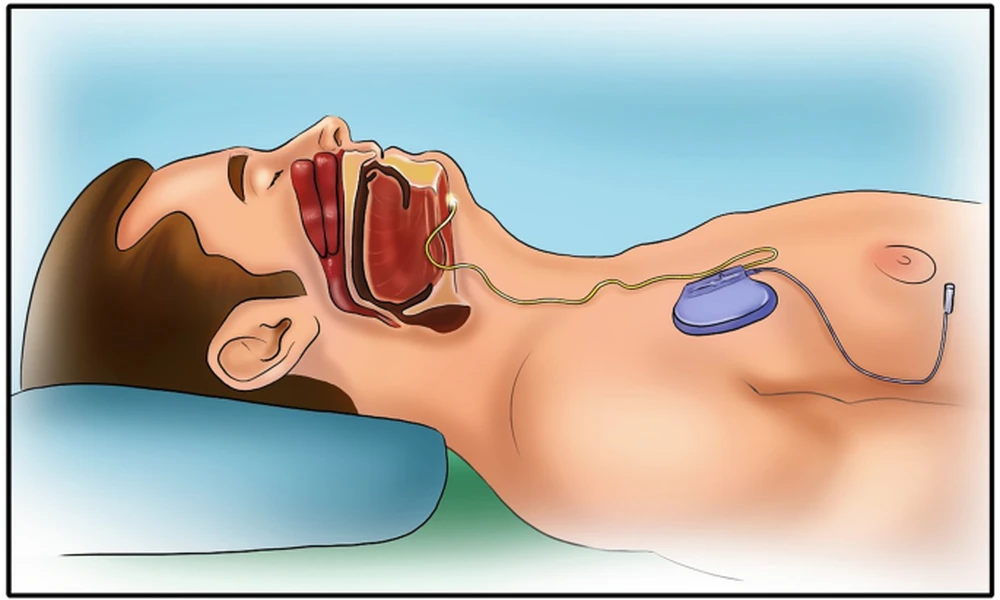

Snoring every night is easy to dismiss as a minor annoyance, but persistent snoring can point to changes in the airway that deserve closer attention. The sound develops when airflow becomes partially blocked during sleep, and different parts of the upper airway can contribute to that obstruction. Identifying the source of the problem is an important step toward choosing the right treatment. This guide explains five common airway clues behind chronic snoring and why they matter for adults in Georgia.
1. Narrow Nasal Passages
Air must move freely through the nose to support quiet breathing during sleep. Chronic nasal congestion, a deviated septum, allergies, or enlarged nasal tissues can reduce airflow and increase vibration farther down the airway. People seeking snoring treatment in Georgia should consider that snoring does not always begin in the throat. A detailed airway evaluation helps determine whether nasal obstruction contributes to the problem before selecting an appropriate treatment approach.
2. Soft Palate and Uvula Changes
The soft palate and uvula naturally relax during sleep, but excessive movement can narrow the airway and create loud snoring. The likelihood of vibration may increase with age, weight changes, or certain anatomical features. According to the American Academy of Sleep Medicine (AASM), habitual snoring is a common symptom associated with obstructive sleep apnea, making persistent snoring worth evaluating when it occurs regularly or is accompanied by other symptoms.
3. Enlarged Tonsils or Crowded Throat
The size and shape of the throat also influence airflow. Although enlarged tonsils are commonly associated with children, adults can experience airway narrowing from enlarged tonsils, excess soft tissue, or naturally smaller throat anatomy. During an examination, an ENT specialist in Georgia may evaluate:
- Tonsil size.
- Tongue position.
- Airway width.
- Signs of tissue crowding.
These findings help determine whether the obstruction occurs mainly in the throat rather than the nasal passages.
4. Tongue Position During Sleep
The tongue plays an important role in maintaining an open airway. During sleep, the tongue naturally relaxes, and in some people it shifts backward enough to partially block airflow. Sleeping on the back, certain jaw structures, or reduced muscle tone can make this more noticeable. This explains why snoring sometimes becomes louder in one sleeping position and quieter after changing positions or using therapies designed to support the airway.
5. Multiple Airway Blockage Sites
Chronic snoring is not always caused by a single area of obstruction. In many adults, restricted airflow develops because several parts of the airway narrow at the same time, such as the nose, soft palate, tongue, and throat. This combination can make snoring louder and more persistent than a single blockage alone. To identify where airflow is restricted, an airway assessment may include:
- Medical history and symptom review.
- Nasal and throat examination.
- Sleep habit assessment.
- A sleep study when obstructive sleep apnea is suspected.
Professional Evaluation Helps Match the Right Treatment
Persistent snoring is more than a nighttime inconvenience when it reflects ongoing airway obstruction. Narrow nasal passages, soft palate movement, enlarged throat tissues, tongue position, and multiple airway blockage sites can all contribute to disrupted airflow during sleep. ENT specialists in Georgia evaluate the nose, throat, tongue position, and overall airway to determine where airflow is restricted and recommend treatment based on the findings. During discussions about snoring treatment in Georgia, a personalized evaluation helps distinguish simple snoring from conditions that may require additional testing or more specialized care. A thorough airway evaluation helps identify the exact source of obstruction and guides treatment based on the underlying cause rather than simply reducing the sound of snoring, allowing adults to make informed decisions about long-term airway health.
