
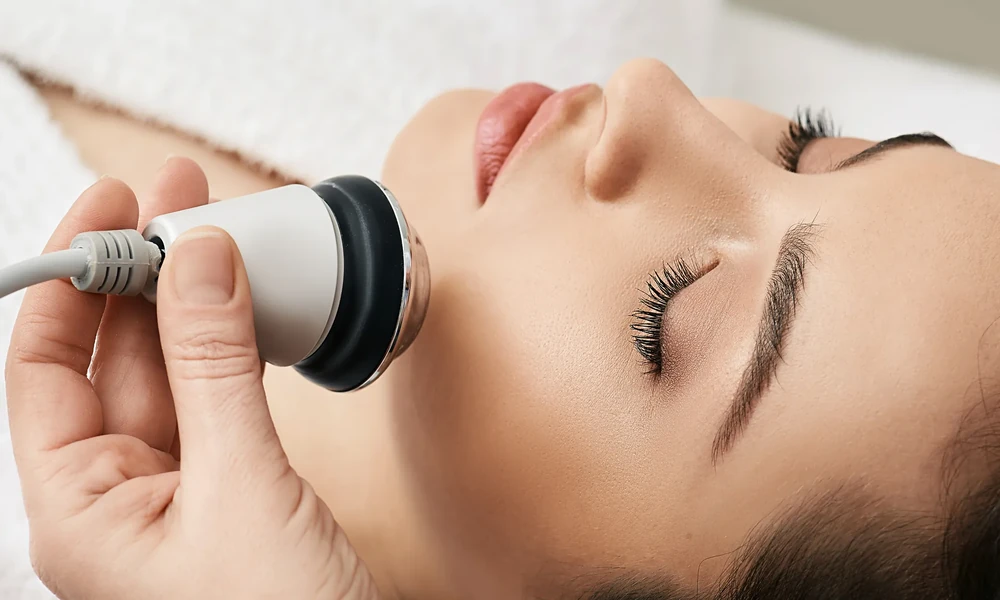

Forget the scalpel and the weeks of downtime. Radiofrequency (RF) skin tightening has changed the game for anyone seeking firmer, more youthful-looking skin without invasive surgery. But not all RF treatments are created equal, and not everyone is an ideal candidate. Who stands to gain the most from these non-surgical procedures, and why do some technologies, like the Korean-engineered Xerf, stand out from the crowd?
Understanding Radiofrequency Skin Tightening Technology
Technological innovation has rapidly advanced in the world of non-invasive aesthetics. RF energy works by generating gentle heat within the deeper layers of the skin, prompting the body’s natural healing mechanisms and stimulating new collagen and elastin production. This process gradually tightens lax skin and smooths its texture, delivering noticeable improvement without incisions or scars.
Principles of Radiofrequency (RF) Energy in Skin Rejuvenation
RF’s magic lies in controlled thermal stimulation. Delivered via specialized devices, RF energy heats the dermis and subcutaneous tissue, contracting existing collagen fibers and encouraging fresh collagen growth. The result? Firmer, thicker skin that looks and feels more resilient.
Monopolar vs. Multifrequency RF Devices: What’s the Difference?
Older RF devices often used a single frequency, limiting their penetration depth and customizing ability. In contrast, advanced monopolar and multifrequency systems, like Xerf, can target both superficial and deep layers of the skin. By shifting between frequencies, practitioners can fine-tune treatments for different areas and concerns, improving both safety and efficacy.
How Advanced Devices Like Xerf Enhance Treatment Efficacy
What sets Xerf apart is its Korean engineering and the ability to deliver multifrequency monopolar RF energy with built-in cooling. This approach minimizes discomfort, reduces risk to surface skin, and allows for truly customizable treatments. Patients report a comfortable, never-numb experience, and visible results with minimal recovery time.
Profiling Candidates: Who Benefits Most from RF Skin Tightening?
While the allure of tighter skin appeals to many, the most dramatic results are seen in specific groups.
Age Groups and Skin Conditions Best Suited for RF Treatment
RF is particularly effective for those experiencing mild to moderate skin laxity, typically individuals in their 30s to early 60s. As collagen declines and elasticity wanes, these patients notice sagging along the jawline, neck, or cheeks but are not yet candidates for surgical lifting.
Common Concerns Addressed: Laxity, Sagging, Post-Weight Loss Skin
Post-weight loss patients often face loose or crepey skin, especially around the abdomen, arms, or thighs. RF tightening provides a non-surgical alternative for firmer contours. Similarly, new mothers with mild abdominal laxity post-pregnancy see real benefit without the need to go under the knife.
Preventive Uses for Younger Patients
Younger individuals seeking to preserve their skin’s firmness are increasingly turning to RF as a preventive measure. Early treatment may slow the visible effects of aging by boosting collagen production before significant laxity develops.
Comparative Analysis of RF Treatments and Alternative Procedures
Not all RF systems are equal, and RF is not the only non-surgical tightening option. Here’s how Xerf and its competitors stack up.
Xerf vs. Traditional Single-Frequency RF Systems
While single-frequency RF devices deliver some tightening, Xerf’s multifrequency system achieves more consistent, deeper heating for better and longer-lasting results. Built-in cooling also means greater comfort and safety.
RF Treatments Compared to Ultrasound (Ultherapy®) and Thermage®
Ultrasound-based systems like Ultherapy® and older Thermage® models also target deeper skin layers but can be less customizable and occasionally more uncomfortable. Xerf’s unique multifrequency monopolar RF approach, combined with cooling technology, aims for better precision and patient comfort.
| Technology | Depth Targeted | Customization | Comfort Level | Typical Downtime |
|—————————|———————|—————|——————|—————–|
| Traditional RF | Variable (shallow) | Low | Moderate | None |
| Xerf Multifrequency RF | Deep + Superficial | High | High | None |
| Ultrasound (Ultherapy®) | Deep | Moderate | Variable | None |
| Thermage® | Deep | Moderate | Moderate | None |
| Surgical Lifting | Deepest | High | Low (recovery) | Weeks |
Surgical Lifting vs. Non-Invasive RF Skin Tightening: Pros and Cons
Surgery is still the gold standard for severe laxity. However, RF offers a strong option for those unwilling or unable to undergo surgery, preferring subtle, gradual improvements and minimal disruption to daily life.
Customizing Treatments Based on Patient Needs
Personalization is critical. The best results occur when energy delivery is adjusted to skin thickness, area, and individual goals.
Tailoring Energy Delivery According to Skin Thickness and Area
Xerf’s multifrequency technology allows practitioners to shift between deeper and more superficial energy penetration. This versatility lets them tighten delicate eye areas or thicker abdominal skin with equal finesse.
Multifrequency Benefits for Deep vs. Superficial Skin Layers
Different layers require different approaches. Multifrequency RF means both immediate contraction (from superficial heating) and longer-term remodeling (from deeper collagen stimulation).
Treatment Protocols and Expected Timeline for Different Skin Types
Most patients undergo two sessions spaced a month apart, with peak results emerging after two to three months as new collagen forms. Maintenance every six to twelve months helps sustain the benefits.
Safety, Comfort, and Contraindications
RF skin tightening is generally safe, but not everyone is a candidate.
Built-in Safety Mechanisms and Cooling Technologies
Devices like Xerf employ continuous temperature monitoring and advanced cryogen-based cooling, protecting surface layers from heat-related damage and maintaining comfort throughout the procedure.
Patient Comfort and Pain Management Without Anesthesia
Unlike older RF systems that could be uncomfortable, newer models often require no anesthesia. Most patients experience only a gentle warming sensation.
Who Should Avoid RF Skin Tightening and Why
Those with metal implants in the treatment area, pacemakers, active infections, recent fillers, or who are pregnant should avoid RF treatments. Always consult a qualified provider for a detailed health review.
Long-Term Benefits and Maintenance Strategies
The real reward of RF skin tightening comes from the body’s natural healing response, which leads to ongoing improvement over months. While results are not permanent, regular maintenance sessions preserve skin quality over time.
Practical Considerations for Patients
RF’s appeal is its versatility and convenience. Treatments can address the face, neck, abdomen, arms, and more. There is little to no downtime, making it easy to fit into busy schedules. With technologies like Clinique Anti Aging xerf skin tightening, patients access some of the most advanced, comfortable treatments available in North America.
Future Outlook: Innovations Shaping RF Skin Tightening
Korean technology continues to push boundaries, and with every improvement, whether it is more precise energy delivery or integrated cooling, outcomes become safer and more impressive. As RF merges with other modalities, expect the next wave of non-surgical skin rejuvenation to be even more effective. For those seeking a refreshed, firm look without the risks of surgery, the future looks bright, and remarkably tight.
