
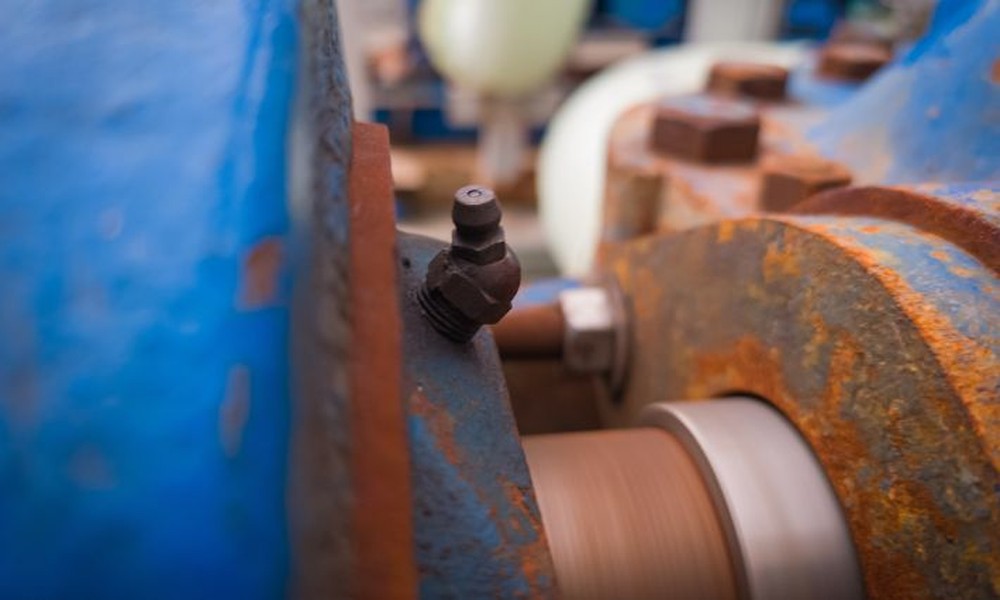
Infrastructure and industrial assets perform best when teams detect risks before they turn into major repairs. Corrosion develops gradually, yet its impact grows quickly when left unchecked. Small surface damage can weaken structural strength, affect safety, and increase operational expenses. Early evaluation helps decision-makers identify vulnerable areas and plan improvements before deterioration spreads.
Organizations that act early gain better control over maintenance budgets and operational timelines. Many facility managers choose to Get a corrosion solution consultation to understand risk levels and prioritize preventive measures. This proactive mindset reduces unexpected shutdowns and protects valuable equipment. The following article explains how early corrosion assessment supports cost savings, improves reliability, and strengthens long-term asset management.
Early Detection Prevents Structural Degradation
Corrosion begins at microscopic levels, which makes early identification highly valuable. Professional assessment methods reveal hidden damage that visual checks may miss. Inspectors analyze environmental exposure, material properties, and protective coating conditions to determine potential weaknesses.
When specialists identify vulnerabilities early, maintenance teams can address small issues before they escalate. Minor coating repairs, surface cleaning, or protective treatment cost significantly less than full component replacement. This approach extends service life and minimizes downtime. Early detection also protects from structural integrity failure, ensuring materials maintain strength and perform reliably under demanding conditions.
Financial Impact of Timely Evaluation
Early corrosion assessment delivers measurable financial advantages. Instead of reacting to failures, organizations create predictable maintenance plans and control expenses. The following benefits highlight how proactive evaluation supports cost efficiency:
- Reduced emergency repair costs
Planned maintenance requires fewer resources than urgent repair work. - Extended equipment lifespan
Preventive treatment protects components from severe deterioration. - Improved operational efficiency
Reliable equipment reduces downtime and maintains consistent schedules. - Better budget forecasting
Early assessment provides accurate condition data for planning.
These financial advantages demonstrate how early planning protects operational budgets while supporting performance goals.
How Professional Assessment Improves Asset Lifespan
Professional corrosion assessment relies on structured evaluation techniques. Experts analyze environmental exposure, humidity levels, temperature variations, and chemical contact. This data helps determine how quickly corrosion may develop and which materials require additional protection.
Specialists also recommend protective coatings, surface treatments, and monitoring strategies. These targeted recommendations strengthen durability and reduce maintenance frequency. At this stage, many decision-makers choose to Get a corrosion solution consultation to refine maintenance planning and identify long-term protection strategies. Professional evaluation also improves safety by maintaining structural stability and reducing operational risks.
Importance of Data-Driven Inspection Methods
Modern inspection techniques enhance accuracy and efficiency during corrosion assessment. Non-destructive testing methods allow professionals to analyze material thickness, coating integrity, and surface conditions without interrupting operations. These technologies provide detailed insights into hidden deterioration.
Advanced monitoring systems track environmental conditions that accelerate corrosion. Sensors measure moisture levels, temperature changes, and chemical exposure. This data-driven approach allows maintenance teams to respond quickly and implement protective measures. Facility managers gain clear visibility into asset condition and performance trends, which supports informed planning and better resource allocation.
Planning Maintenance with Predictive Insights
Predictive maintenance strategies rely on early corrosion assessment results. Professionals analyze collected data and identify patterns that indicate future deterioration. This forward-looking approach helps organizations schedule maintenance at optimal intervals.
Predictive insights also reduce unnecessary work. Instead of replacing components prematurely, teams focus on areas that require attention. This targeted maintenance strategy reduces material waste and improves operational efficiency. Predictive planning strengthens reliability, ensuring equipment remains functional for longer periods while maintenance teams operate with greater confidence.
Early corrosion assessment plays a crucial role in protecting infrastructure, equipment, and long-term financial stability. Proactive evaluation helps detect vulnerabilities, improve planning, and extend service life. When organizations prioritize early action, they reduce unexpected expenses and maintain operational reliability. A strategic approach to corrosion management supports efficient maintenance, stronger performance, and sustainable cost control across asset lifecycles.