
Suspended high above busy highways or spanning vast rivers, a bridge deck is only as stable as the temporary supports holding it up before completion. Precision in shoring is not just a technicality; it is the silent guardian against catastrophic structural failures in bridge deck construction.
Fundamentals of Shoring in Bridge Deck Construction
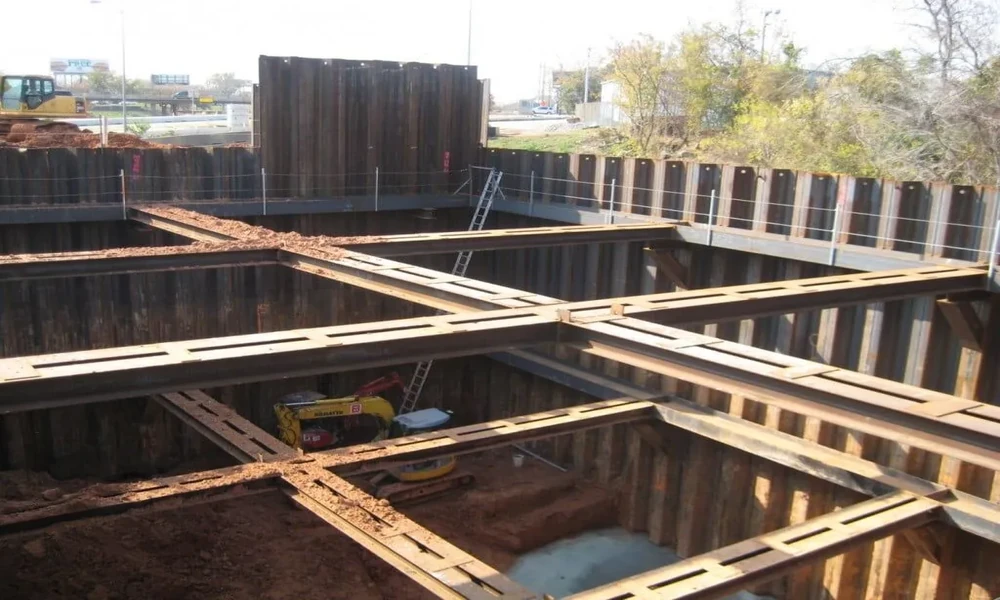
Shoring, at its core, is the temporary support system installed to bear loads that the permanent structure cannot yet sustain. For bridge decks, this means supporting massive concrete slabs, rebar assemblies, and formwork until the bridge can stand on its own. The primary aim of shoring is clear: prevent collapse, deformation, or dangerous deflections during all stages of construction.
Types of Shoring Systems Used in Bridge Projects
Bridge projects rely on versatile shoring systems tailored to site conditions and deck configurations. Common types include:
– Frame shoring towers (adjustable and modular)
– Post shores and props (for lower elevations)
– Custom-fabricated steel supports (for complex geometries)
– Heavy-duty hydraulic jacks (for unique load cases)
Selecting the right system is a careful calculation, balancing load demands, bridge span, and even climate factors like wind or frost heave.
Key Structural Challenges During Bridge Deck Construction
Unlike straightforward building floors, bridge decks face unique hurdles. Variable spans, curved alignments, and often unpredictable live loads from equipment or weather mean shoring must adapt and perform flawlessly. Errors in shoring, whether from inadequate capacity, poor placement, or subpar installation, can lead to sagging decks, dangerous cracks, or outright collapse.
Precision in Shoring Techniques: Engineering Principles
Every kilogram of wet concrete tests the limits of the support beneath. That is why precise engineering underpins all shoring decisions.
Load Distribution and Structural Stability
A single miscalculation in how weight spreads across the shoring network can spell disaster. Engineers use advanced modeling to predict how loads shift as concrete is poured, cured, and transferred to permanent supports. Ensuring even distribution is crucial to avoid overstressing individual shoring elements or the ground beneath.
Material Selection and Quality Control
The right materials must offer consistent strength and reliability. High-grade steel, seasoned timber, or engineered composites are chosen for their load-bearing properties and resistance to deformation. Rigorous quality control ensures every prop, beam, and connection meets stringent standards, because a single faulty component can undermine the entire structure.
Role of Engineering Analysis and Modeling in Shoring Design
Modern bridge projects leverage software for finite element analysis and 3D modeling, allowing precise simulation of temporary and permanent loads. This digital foresight helps engineers identify weak points, optimize shoring layouts, and plan for unlikely scenarios like sudden storms or equipment shifts.
Implementation of Precise Shoring on Site
Even the best designs falter without meticulous execution.
Planning and Sequencing of Shoring Installation
A successful shoring installation begins with a detailed plan that sequences every component. It accounts for the construction timeline, anticipated loads at each stage, and safe removal procedures. Sequencing is not about speed; it is about ensuring that each step leaves the structure safer than before.
Monitoring and Adjusting Shoring During Construction
On-site monitoring involves regular checks for settlement, shifting, or unexpected load changes. Engineers and field supervisors measure deflection and watch for warning signs, ready to adjust or reinforce shoring as the situation demands. These interventions, sometimes invisible to the casual observer, are often the difference between a flawless build and a costly setback.
Common Pitfalls and How Precision Prevents Them
Cutting corners with shoring, using generic supports, skipping detailed analysis, or neglecting real-time monitoring, can result in uneven loads, sudden collapse, and delayed timelines. Precision in design and execution is the antidote, safeguarding both workers and the structure itself.
Case Studies: Structural Failures Avoided Through Accurate Shoring
History offers stark lessons on the perils of imprecise shoring. Bridge deck failures traced back to shoring errors have led to costly delays, legal disputes, and, tragically, lost lives. In contrast, projects employing advanced, precise shoring techniques have weathered challenges from shifting soils to unexpected load surges without incident.
Firms such as ingénieur étançonnement NadeauSDM demonstrate how expert analysis and bespoke solutions prevent failures, even on the most complex sites. These successes underscore the need for expert involvement at every stage.
Innovations and Future Trends in Shoring for Bridge Construction
The future of shoring lies in smarter materials and sharper data. High-strength alloys, lighter composites, and reusable modular systems are streamlining installation while increasing safety. Digital tools, think sensors embedded in shoring frames and real-time analytics, provide instant feedback, allowing teams to react before small issues escalate.
Regulatory bodies are also raising the bar. Stricter standards and robust safety protocols are pushing the industry to adopt precision as the baseline, not the exception. The next generation of engineers will not just build bridges; they will bridge the gap between old risks and new possibilities, anchored by the unwavering precision of their shoring choices.