
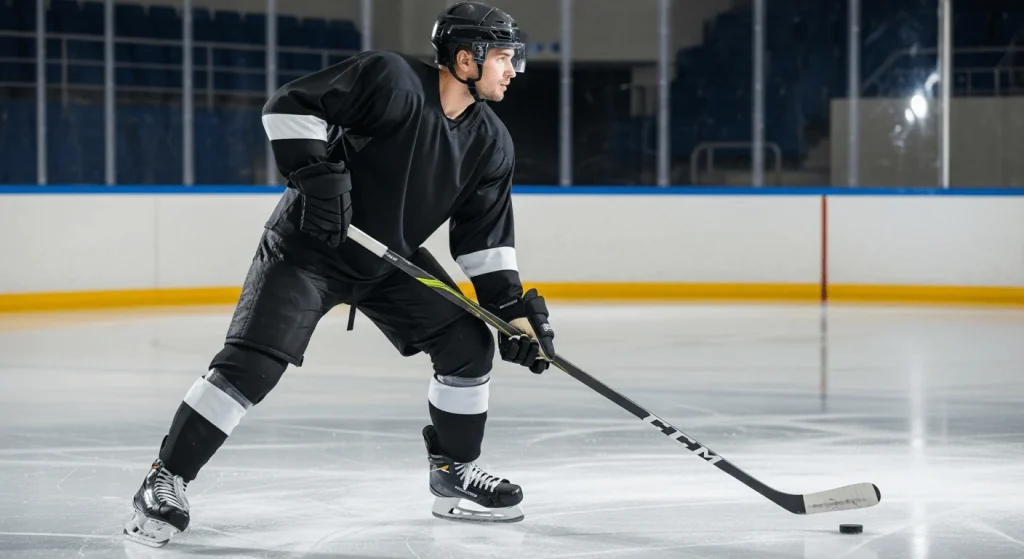
Scan the stick rack at any rink and you’ll see a dizzying array of hockey sticks, each boasting different flex ratings, materials, and designs. Picking the right flex isn’t just a matter of preference; new data shows it can directly influence how players shoot, pass, and control the puck, and even how they feel after a long game.
The Challenge of Choosing the Right Hockey Stick Flex
At first glance, flex might seem simple: a number, usually between 30 and 110, that represents how many pounds of force it takes to bend the stick one inch. But matching flex to player style, skill, and body type is anything but straightforward.
Understanding Flex: What Does It Mean for Player Performance?
Flex determines how much energy a player can load into their shot and how efficiently that energy transfers to the puck. A lower flex (softer stick) bends more easily and can help younger or smaller players get more power. A stiffer stick (higher flex) often suits bigger, stronger players who can load the shaft effectively without it feeling like a noodle.
Common Misconceptions About Flex and Skill Level
Many believe that “pros use stiff sticks,” or that only beginners need softer flex. In reality, top players across junior, senior, dek, and ice hockey use a wide range of flexes. The best flex is the one that maximizes a player’s strengths and compensates for their weaknesses, not just what their idol uses.
How Can Incorrect Flex Impact Shooting, Passing, and Control?
The wrong flex can sabotage a player’s game. Too stiff, and shots lack pop; passes feel flat. Too soft, and accuracy drops, with pucks spraying off target. Control suffers if the stick doesn’t match a player’s mechanics, leading to frustration and even bad habits.
Insights from the Latest Hockey Stick Flex Data
Emerging data from player testing, retailer analytics, and recent pro interviews paint a clearer picture of flex preferences and their effects.
Trends in Flex Preferences Among Different Player Levels
Today’s data shows juniors and youth players overwhelmingly benefit from softer flexes (30-55), while adult rec and senior league players often perform best in the 75-100 range. Dek hockey and ball hockey, with lighter pucks and less ice friction, see even more variance, with many adult players opting for lower flex.
| Player Level | Common Flex Range | Notes |
|——————|——————-|——————————————|
| Junior/Youth | 30-55 | Easier loading, increased shot power |
| Intermediate | 55-75 | Balance of power and control |
| Senior/Adult | 75-110 | Suits greater strength, heavier pucks |
| Dek/Ball Hockey | 50-85 | Lower puck weight, surface adaptation |
Correlation Between Stick Flex and Performance Metrics
Recent lab testing reveals a strong correlation: players using their ideal flex experience up to a 12% increase in shot speed, and as much as a 20% boost in shot accuracy. Consistency in passing and shooting also improves, with players reporting fewer off-target shots and mishandled passes.
How Does Flex Affect Player Fatigue and Injury Risk?
Stiff sticks force players to overexert, raising fatigue levels and increasing the risk of joint and muscle injuries. Softer flex reduces strain, especially over long shifts or heavy game schedules. For this reason, many coaches now factor flex specifications into player development programs.
Evaluating Flex Options: Materials, Brands, and Technologies
Shopping for sticks means sorting through a maze of brands and tech jargon. Brands like CCM, True, Fischer, and Sherwood offer distinct flex profiles, and each uses unique approaches to shaft construction.
| Brand | Notable Flex Features | Key Models |
|————|————————————–|———————————-|
| CCM | Varied flex points, hybrid options | Ribcor, Jetspeed |
| True | Vibration suppression, pro profiles | Hzrdus, 7X4, 5X3 |
| Fischer | Durable fiberglass composites | RC One, CT150 |
| Sherwood | Precision, control for juniors | Playrite, Rekker, Code |
Innovations like carbon layering, vibration dampening, and hybrid kick points let players fine-tune flex performance. Goalie sticks add another twist: their flex ratings run lower to absorb impact and control rebounds, but mustn’t be so soft that stickhandling suffers.
Tailoring Stick Flex to Player Style and Position
A forward who relies on quick-release wrist shots will often choose a softer flex for rapid stick loading. Defensemen needing booming slap shots and poke checks tend toward stiffer sticks for stability and power. Age and strength play significant roles too; young players or those new to the game should err on the side of a softer flex.
Practical Steps to Choose the Right Hockey Stick Flex
Testing is essential. A simple rule of thumb: Take your body weight in pounds and divide by two. That’s a good starting point for flex. But variables like stick length, curve, and grip must also be considered. Experts recommend trying several sticks in-store and noting which feels natural during shooting and passing drills. Resources like Bâtons de hockey Liquida Sport present a wide array tailored for every level and technique, making testing more accessible than ever.
Maintaining and Adjusting Stick Flex Over Time
Even the best stick loses optimal flex after repeated use. Signs include loss of shot “pop,” reduced shot accuracy, or visible shaft fatigue. When these appear, it’s time to retire the stick or consider custom modifications like trimming (which increases stiffness) or using composite inserts.
Leveraging Flex Data for Enhanced Training and Performance
Forward-thinking coaches now integrate flex data into training, encouraging players to track their shooting mechanics and adjust flex as their game evolves. Athletes who switched to the correct flex consistently report better shooting stats and less fatigue, highlighting flex choice as one of the simplest upgrades in hockey performance.
Conclusion: Making Data-Driven Decisions for Better Hockey Performance
Today’s flex data underscores a simple lesson: the right stick is more than brand or color; it’s a tailored extension of each player’s strengths. As testing options expand and stick technologies evolve, choosing the right flex remains a game-changer, for rookies and veterans alike.