
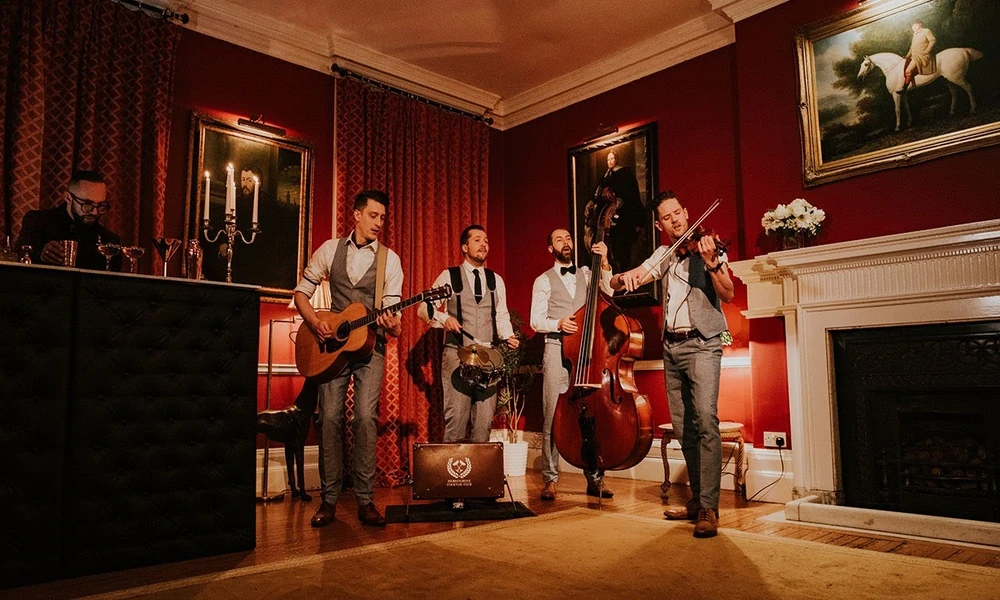
The average arena ticket in America now runs north of $100 once fees land, and you still watch the show through a phone screen held up by the guy in row 12. Last year I paid $14 at the door of a 130-seat listening room and heard a songwriter tell the story behind a song I’d loved for a decade. Nobody filmed it. That’s the whole argument in one night.
Small rooms win on discovery, price, and proximity, and the tool that makes them work isn’t a marketing budget. It’s a calendar. A good weekly schedule turns a neighborhood bar into a genuine music scene, and learning to read one is the closest thing to a superpower a music fan can have.
What a weekly calendar actually does for a music scene
Big tours announce once, months out, and everyone in the metro area fights for the same Friday. Independent venues run the opposite play: many nights, many price points, many genres, all stacked inside a single zip code. The schedule itself becomes the product.
Think about what that does to your Tuesday. You’re not waiting for a band you already love to come through town. You’re scrolling a list of seven or eight options this week and picking one because the description mentions fingerstyle guitar or an Irish session with no cover. Discovery stops being a lottery and becomes a habit.
The economics matter too. According to the U.S. Census Bureau, arts and entertainment establishments are overwhelmingly small businesses, and that shapes everything about how they book. A room that seats 150 can’t absorb a bad month. It books steadily, week after week, because steady beats spectacular when your rent is due every 30 days.
Here’s my honest take: a venue with a strong recurring calendar is more valuable to a city’s music culture than any single headliner it lands. Headliners leave. The Tuesday session stays.
Reading a calendar like an insider
Most people scan a venue schedule the way they scan a restaurant menu, front to back, looking for a name they recognize. That’s the slow way. Try these instead:
- Check the time slots before the names. Early shows at 6 or 7 p.m. usually mean a seated, listening-room crowd. The 8:30 slot tends to be louder, later, and more social.
- Look for repeating nights. A weekly open mic or a standing Irish session is the venue telling you something about its regulars.
- Watch for double bills. When the same artist plays two nights running, that’s a residency, and residencies are where the good stories live.
- Note the “no cover” tags. Free nights are how venues train new audiences, and they’re often the best introduction to the room.
- Follow the gaps. If a room goes quiet for two weeks, something’s happening: a renovation, a festival, a seasonal break.
A calendar is a living document, which is part of its charm. I’ve planned entire weekends around a listing I found on a Monday and never regretted it.
A culture worth protecting, not just consuming
Americans have been gathering in taverns to hear music since before there was a United States, and that tradition didn’t start as entertainment marketing. The Library of Congress documents folk and traditional music collecting going back generations, and much of what got preserved was captured in small rooms, not grand halls. The songs survived because somebody played them every week for a handful of people who showed up.
That’s still how it works. A touring songwriter driving between cities needs a 150-cap room with a real sound system, a paying door, and an audience that actually listens. Without those rooms, the middle of the music industry disappears and you’re left with stadium acts on one end and bedroom recordings on the other. I’d rather have the middle.
So when you pick a show this month, you’re not just buying a ticket. You’re voting for whether that room exists in three years.
How to build a month of live music without blowing your budget
Here’s a routine that works in almost any mid-size city, and it takes about ten minutes a week.
- Pick two anchor venues. Not ten. Two rooms you’ll actually return to, ideally within a 15-minute drive.
- Bookmark their calendars and check them every Monday. New listings post at the start of the week, and the small shows sell out first.
- Cap your spend. Set a monthly number, maybe $60, and treat it like a grocery budget. House concerts and free sessions stretch it further.
- Go alone once. Sitting at the bar for a set you know nothing about is the fastest way to find your next favorite artist.
- Buy the merch. A $20 shirt at the table does more for a touring musician than a $20 ticket markup ever will.
If you’re in a city with a real songwriter scene, you already have an advantage most people never use. Houston, for example, has a long-running room on Norfolk Street where the schedule swings from Irish sessions to touring folk acts to jazz nights inside the same month, and locals treat the McGonigel’s Mucky Duck live music calendar the way other people treat a TV guide. That’s the habit. Not one big night out, but a standing date with whatever’s playing.
The room is the instrument
Acoustics get all the credit, but the actual instrument in a small venue is the audience. A hundred people who came to listen sound different from a hundred people who came to talk, and performers adjust in real time based on which one they got.
National parks have known this for a century. The National Park Service treats live cultural programming, from campfire talks to evening concerts, as a core part of how people connect with a place. The setting does half the work. A low ceiling, a corner stage, and a bar six feet from the performers does the same thing for a song. You can hear the singer breathe. You can hear the room react.
Stadiums sell scale. Small rooms sell presence, and presence is the thing you remember.
Start with this Thursday
You don’t need a plan for the year. You need one night this week. Find a venue with a recurring schedule, pick a show you’ve never heard of, and pay at the door. Bring cash for the tip jar and leave your phone in your pocket for one full set.
Then ask yourself the only question that matters: when was the last time a $15 ticket made you feel like you were in on something? If the answer is never, you’ve been going to the wrong rooms.