
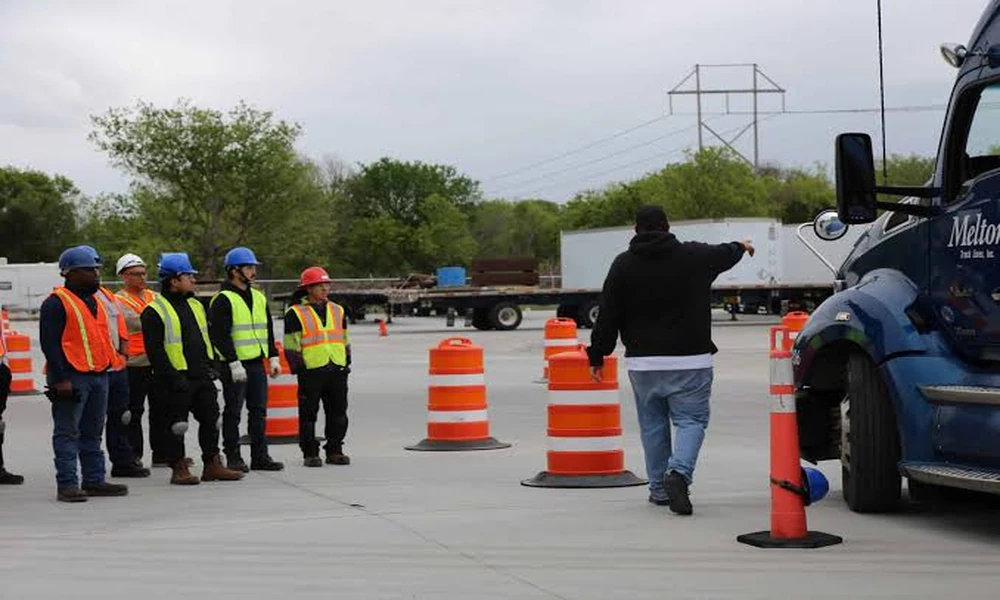

Securing a Commercial Driver’s License (CDL) can unlock high-paying job opportunities, but the cost of training stops many aspiring drivers before they even start. Fortunately, various forms of state assistance and financial aid can make the dream of becoming a professional truck driver both accessible and affordable.
Understanding State Assistance for CDL Training
State financial aid programs for CDL training are designed to help residents start in-demand careers without hefty upfront expenses. In Nevada, for example, eligible students can access aid through programs like the Workforce Innovation and Opportunity Act (WIOA). These state-sponsored funds typically cover some or all tuition, especially in fields with major labor shortages such as trucking.
To access these funds, applicants must usually provide documentation such as proof of residency, a high school diploma or GED, and sometimes additional skills assessments. The process might seem intimidating at first, but most schools, including DTR School of Trucking, offer guidance every step of the way.
Not every funding option is state-based. Veterans, for instance, can use GI Bill benefits, while many trucking companies offer tuition reimbursement or partner with schools for in-house financing options.
Workforce Innovation and Opportunity Act (WIOA) Explained
WIOA is a federal program managed at the state level, targeting people seeking work or career changes. For CDL training, WIOA funds can often cover the bulk of your tuition at qualified schools. Applicants start by booking an in-person appointment with the local workforce agency, where counselors will explain the process and outline documentation requirements, such as:
– Proof of Nevada residency
– Educational background (high school diploma or GED)
– Work history or unemployment status
Step-by-step, the application process typically looks like this:
1. Schedule and attend an intake appointment.
2. Submit required paperwork and skill assessments.
3. Consult about eligible training programs (like CDL Class A).
4. Await funding decision and enrollment approval.
While WIOA funding provides significant help, it does not always cover every expense and may require extra training before approval.
Veteran Benefits and the G.I. Bill for CDL Training
Veterans often have a unique path to funding through the G.I. Bill. Many CDL schools, including DTR School of Trucking in Las Vegas, are approved for VA benefits. Veterans can cover tuition, supplies, and sometimes even living expenses during training.
The process involves:
– Confirming eligibility with the Department of Veterans Affairs (VA)
– Selecting a VA-approved school
– Submitting the Certificate of Eligibility and school enrollment forms
Compared to state aid, veteran benefits can be more flexible in what they cover, though the application steps are more specific to military service and discharge status.
Tuition Reimbursement from Trucking Companies
Beyond government aid, some trucking companies offer tuition reimbursement programs. Here, the company repays your school tuition once you commit to work for them after graduation. This approach often requires you to pay upfront, then receive monthly reimbursements as you fulfill your service agreement.
Considerations include:
– Commitment to work for a specific company (sometimes for a year or more)
– Keeping all expense receipts for reimbursement
– Reviewing terms on repayment if you leave early
This route can effectively make training free, but always weigh the job commitment against the freedom to choose your employer.
In-House Financing and Payment Plans
Some CDL schools recognize that not everyone qualifies for government aid or reimbursement programs. DTR School of Trucking, for example, offers in-house financing and payment plans. Payments are spread out over time, sometimes with the help of third-party lenders or local trucking companies.
Unlike grants or reimbursement, financing comes with interest or fees. However, it’s often more flexible and less paperwork-heavy, making it ideal for those who want a straightforward path to enrollment.
Comparing All Funding Options
When choosing the right funding path, a side-by-side comparison can clarify your options:
| Funding Source | Eligibility | Financial Coverage | Application Complexity | Job Placement Support |
|—————————-|————————|—————————|———————–|———————-|
| State Aid (WIOA) | State residents, unemployed/underemployed, HS diploma/GED | Tuition and some fees | Moderate | Often included |
| Veteran Benefits (G.I. Bill)| Military veterans | Tuition, supplies, living expenses | Moderate to high | Varies |
| Tuition Reimbursement | Varies by employer | Up to full tuition (post-hire) | Moderate | Yes (company specific)|
| In-House Financing | School discretion | Tuition only | Low | Sometimes |
If you’re comparing the cdl school Las Vegas cost, understanding these funding routes becomes even more important, as each affects your out-of-pocket expenses differently.
Practical Tips for Applying and Maximizing State Assistance
Preparation is the key to a smooth aid process:
– Gather all necessary documents: personal ID, proof of residence, diploma or GED, and employment history.
– Be ready to complete any required assessments or interviews.
– Ask questions during your financial aid appointment so nothing slips through the cracks.
– Keep copies of all forms and correspondence.
Avoiding common pitfalls, like missing deadlines or submitting incomplete paperwork, can prevent unnecessary delays.
Navigating the CDL Training Journey with Financial Aid Support
Schools like DTR offer support services to help you navigate this maze, from application prep to job placement after graduation. Combining multiple funding sources, when allowed, can dramatically cut your expenses and reduce financial stress.
With state aid, veteran benefits, tuition reimbursement, and in-house financing, there’s almost always a way to make your CDL training affordable. The key is to research your options, ask for guidance, and plan your next steps with your long-term career in mind.
