
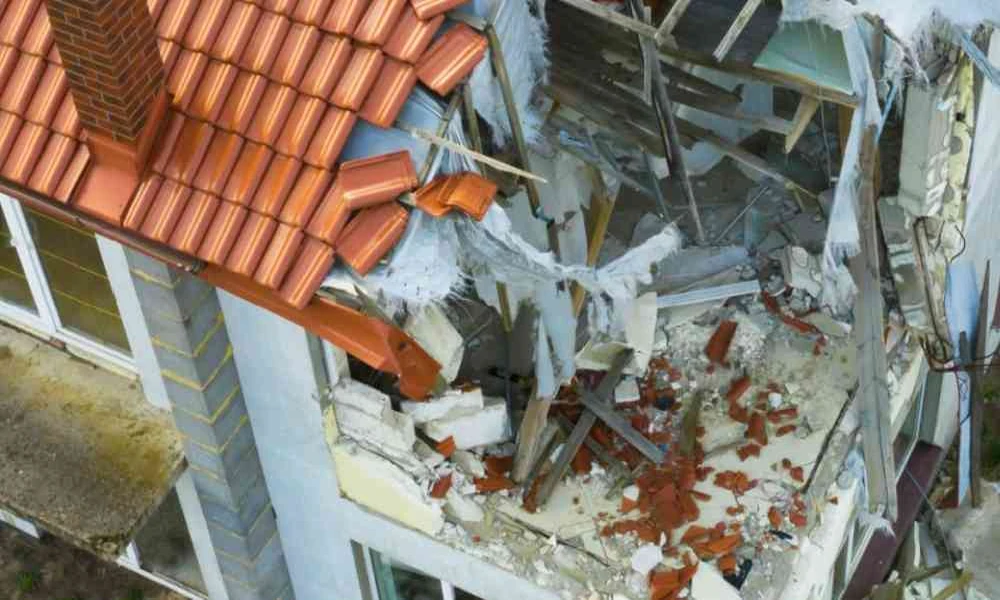
Roofing in East Alabama and West Georgia is no longer just about replacing worn shingles after visible damage appears. The region combines summer heat, frequent thunderstorms, heavy rain, hail, straight line winds, tornado risk and occasional inland tropical storm impacts. That mix has pushed roofing toward a more complete approach that considers the roof covering, deck attachment, edges, flashing, ventilation, drainage and documentation as one connected system.
For homeowners in Phenix City, Auburn, Opelika, Smiths Station, Columbus, LaGrange and nearby communities, Great Roof provides roof replacement, repair, inspection and cleaning services, along with help related to storm damage and insurance claims. Its service area spans East Alabama and West Georgia, including Lee, Russell, Chambers, Muscogee, Harris and Troup counties. A local inspection can help determine whether a problem calls for repair, maintenance or replacement.
The Old Approach Focused on Visible Damage
Old way. A missing shingle, ceiling stain or lifted flashing often triggered a narrow repair. If the roof stopped leaking, the work was considered successful. That could be reasonable for isolated damage, but it did not always address how the rest of the assembly would perform during the next storm.
New way. Modern roof assessment looks for the path wind and water are likely to take. Contractors increasingly inspect edge conditions, starter courses, fastener patterns, sheathing, valleys, pipe penetrations, ridge vents and attic moisture. The goal is not simply to stop one leak, but to determine whether it signals a broader weakness.
Local reason. Alabama has a primary severe weather season in spring and another in late fall. The National Weather Service notes that damaging wind, hail and tornadoes can occur outside those windows too. Its severe weather guidance supports year round preparation rather than waiting for a leak after a storm.
The Roof Cover Is No Longer the Whole Roof
Old way. Shingle brand, color and warranty often dominated replacement conversations. Deck condition and attachment details received attention mainly when damage became obvious during tear off.
New way. Resilience is increasingly judged from the deck upward. Research from the Insurance Institute for Business and Home Safety shows why sealed roof decks, stronger deck attachment and secured roof edges can reduce the chance that a covering failure turns into major interior water damage. Its FORTIFIED Roof research also emphasizes tested roof coverings and stronger attachment methods for wind and hail exposure.
What changes. A replacement creates a chance to inspect sheathing, correct weak or damaged decking, review underlayment and improve vulnerable edge details before the new covering goes on. Those steps are difficult to evaluate afterward, which makes installation records and photos more useful than they once were.
| Roofing decision | Older habit | Current practice | Local reason |
|---|---|---|---|
| Storm damage | Patch the visible area | Inspect the full roof plane and attic | Wind can disturb areas that have not leaked |
| Deck condition | Replace obvious rot only | Check attachment and damaged sheathing | Deck failure can accelerate water entry |
| Roof edges | Treat as finish detail | Treat as a high uplift zone | Wind pressure is often strongest at edges |
| Material choice | Compare looks and price | Compare wind, hail and installation ratings | Storms test both product and workmanship |
| Project records | Keep the invoice | Keep photos, scope and product data | Records help with maintenance and claims |
Codes Now Matter Earlier
Old way. Building code was often treated as paperwork to handle after the material decision had already been made.
New way. Code and permit questions should be addressed before work begins because requirements differ by jurisdiction. Phenix City currently uses the 2021 International Residential Code with Alabama amendments. Its residential permit information also requires appropriately licensed contractors and identifies documentation that may apply depending on project scope. Homeowners can review the Phenix City Building Department requirements before work starts.
Across the state line. Georgia uses the 2024 International Residential Code with Georgia amendments as part of its state minimum standards in 2026. Local governments administer permits and inspections, so a Columbus project should be checked against its local process rather than assuming the Alabama procedure applies.
Practical effect. A reroof can involve sheathing replacement, ventilation changes or structural corrections that affect permit scope. Checking early helps prevent delays, failed inspections or work that has to be reopened.
Storm Documentation Is Now Part of Roof Care
Old way. After a storm, homeowners often waited for a leak before acting. Photos were taken mainly when an insurance adjuster requested them.
New way. A post storm inspection can establish condition before minor problems become interior damage. Useful records include wide roof photos, close images of damaged shingles or flashing, attic moisture evidence, dates of weather events, repair invoices and product information. These records do not guarantee coverage, but they create a clearer timeline.
Why timing matters. Wind can loosen shingle seals without causing an immediate indoor leak. Hail can bruise roofing materials while leaving the roof apparently intact from the ground. Later rain can exploit those weakened areas. Research on natural weathering also shows that shingle seal strength can decline with age, increasing vulnerability to wind.
Maintenance Has Shifted From Cosmetic to Preventive
Old way. Roof cleaning was often treated as an appearance service, while gutters, debris and algae were addressed only when they became obvious.
New way. Maintenance is now more closely tied to drainage and material condition. Leaves can hold moisture in valleys, clogged gutters can keep water near roof edges, and organic growth can make surface defects harder to see. Cleaning should suit the roofing material because aggressive pressure can damage shingles.
Better timing. In this region, a practical rhythm is an inspection before spring severe weather, another look after significant hail or wind, and a fall check before Alabama’s secondary severe weather season. That connects maintenance to the actual weather cycle rather than relying on visible leaks as the maintenance signal.
The New Standard Is Better Information
The biggest change in residential roofing is not one product. It is the quality of the decision process. A replacement chosen from appearance and price alone can miss deck, edge, ventilation and code issues. A repair completed without checking the surrounding system can leave hidden storm damage untouched.
The newer approach asks better questions before work begins: What failed? Is the failure isolated? Is the deck sound? Are edges and penetrations secure? Does the proposed assembly match local code and manufacturer requirements? Is a permit needed? What should be documented before the roof is covered again?
For homeowners across East Alabama and West Georgia, that shift makes roofing less reactive and more measurable. The roof still has one basic job, keeping weather out, but the way that job is planned, inspected and documented has become much more precise.