
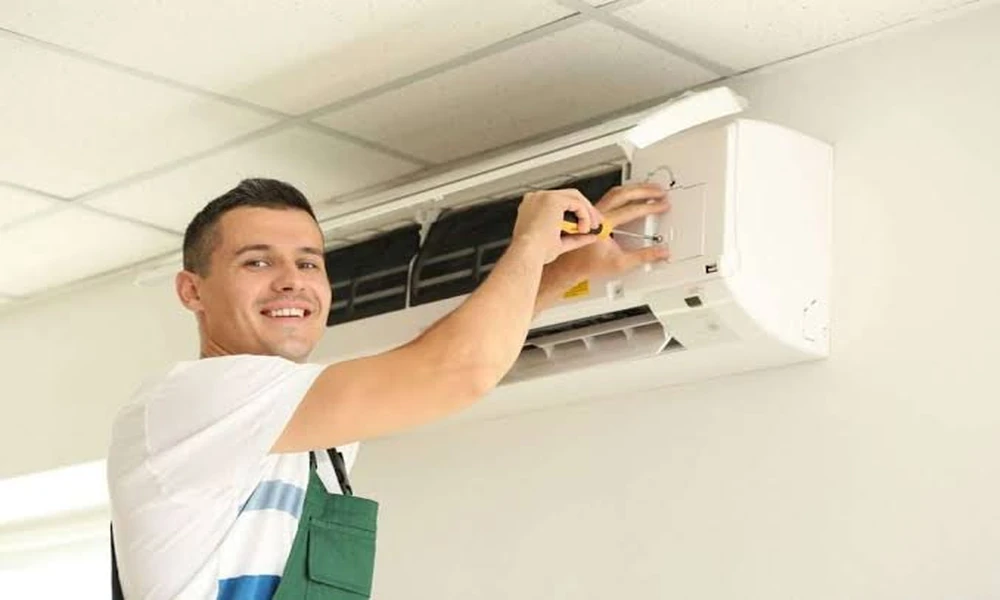
Your air conditioner almost never quits without sending signals first. The problem is most homeowners miss those signals entirely, and the first real notice they get is a warm, stuffy house on a 93-degree afternoon. Catching the warning signs early is the difference between a quick service call and a full-blown emergency. This article walks you through exactly what to look and listen for, so you can act before the system takes that final, miserable bow.
Why AC Failures Spike in Summer
This is not a coincidence. Your central AC works hardest precisely when outside temperatures are at their worst. Push any machine to its performance ceiling every single day, and its weak points surface fast.
The broader trend makes that pressure worse every year. In cities across the United States, the average rate of extreme heat events increased from two per year in the 1960s to ten per year between 2010 and 2020, according to the Center for Climate and Energy Solutions. That same data shows the average heat-wave season has already grown 46 days longer since the 1960s. A system that was sized and installed for the climate of fifteen years ago is now running longer hours under more intense conditions. Something has to give.
Here is the other piece of the puzzle most people overlook: age. The U.S. Department of Energy estimates that a central air conditioner’s average lifespan runs about 15 years. A system that was installed when your kids were in middle school is living on borrowed time, no matter how reliable it has seemed.
The 3-3-3 Diagnostic Framework
Here is a simple rule of thumb you can use right now without any tools. Call it the 3-3-3 framework: three sounds, three smells, three behaviors. Any single signal from any of these three categories means your system deserves a professional look before summer peaks.
Three sounds to take seriously:
- A grinding or screeching noise when the compressor kicks on. That points to a failing motor bearing or a dry belt, and it does not get better on its own.
- A banging or clanking from the outdoor unit. Loose or broken components inside the compressor make that sound, and running the system longer risks a complete compressor failure.
- A persistent clicking that does not stop after startup. Electrical relay problems cause that rhythm, and an ignored electrical fault is how small repairs become expensive ones.
Three smells that are never normal:
- A sharp, chemical odor coming from the vents. That’s refrigerant, and a leak means your system is losing the substance it needs to cool anything at all.
- A burning smell, especially early in the season when the system first fires up. Dust burning off the heat exchanger is fine for a minute. A persistent burn smell is not.
- A musty or mildew-like odor every time the fan runs. Moisture is sitting somewhere it should not be, which signals a drainage or coil problem.
Three behaviors that reveal a struggling system:
- Short cycling. The system turns on, runs for a minute or two, shuts off, then repeats. This strains every component and destroys efficiency at the same time.
- Warm air coming from vents when the thermostat is set to cool. Low refrigerant or a failing compressor are the most common culprits.
- The house never actually reaches the set temperature on hot days, even after running for hours. A system working that hard without results is a system on its way out.
Your Thermostat and Electrical Panel Are Telling You Something
Homeowners almost always blame the outdoor unit when their AC struggles, but the thermostat and electrical panel are just as likely to be the source of the problem. A thermostat that reads room temperature inaccurately causes the AC to cycle incorrectly, and the AC gets blamed for what is actually a ten-dollar sensor issue.
The circuit breaker is a different story. If the breaker for your AC trips once, that’s a one-off event. If it trips twice in a week, your system is drawing more current than it should, which means something is working dangerously hard. Do not just reset it and move on. That pattern is your electrical system telling you a component inside the AC is failing.
Unusual spikes in your electricity bill during mild weather are the subtler version of the same signal. The system is running longer and pulling harder to do less work. You may not notice the symptom in the house itself, but the bill will catch your attention.
What Homeowners in Western Massachusetts Face
Western Massachusetts sees a real summer. Hampden County regularly hits the upper 80s and low 90s for stretches in July and August, and older housing stock in communities like Westfield, Chicopee, and Springfield means many homes rely on AC systems that are approaching or past that 15-year average lifespan threshold.
When a system fails mid-summer out here, the wait for a technician can stretch, because every contractor in the region is responding to calls at the same time. Homeowners who recognize the warning signs early enough to call before the peak of the season get faster appointments and more options. Those who wait until the system completely stops find themselves in the queue for emergency AC repair in Hampden County, which, while absolutely available, is a harder situation to be in than a planned service call.
The honest takeaway: the warning signs above are not hypothetical. They happen in real homes, in real summers, and they are almost always visible weeks before a total failure.
When to Repair and When to Replace
Most technicians use a straightforward rule: if the cost of a repair exceeds 50 percent of the cost of a new system, and the unit is more than ten years old, replacement makes more financial sense. But that math only applies once you are already in a crisis. The better question is what your system’s age and behavior are telling you right now.
| System Age | Warning Sign Present? | Recommended Action |
|---|---|---|
| Under 8 years | Yes | Schedule a diagnostic service call; likely a component repair |
| 8 to 13 years | Yes | Repair if single issue; get a replacement quote for comparison |
| 14 to 18 years | Yes | Prioritize replacement planning; repair only if cost is minimal |
| Over 18 years | Any | Budget for replacement; continued repairs are rarely cost-effective |
The One Maintenance Step That Prevents Most Failures
Annual professional maintenance. That is it. Not a DIY filter swap (though that matters too), but a full technician inspection done in the spring before the system runs hard. A technician checks refrigerant levels, cleans the coils, tests the capacitors, inspects electrical connections, and catches the early-stage problems that become mid-July emergencies if left alone.
According to the U.S. Energy Information Administration’s 2020 Residential Energy Consumption Survey, 88 percent of U.S. households use air conditioning. The EIA data also shows that half of all Northeast households rely primarily on individual AC units like window and wall units, rather than central systems, which means a broader range of equipment types and maintenance needs exist in this region than in the South or Midwest. Know what type of system you have and find a contractor who services it specifically.
“The growing frequency of hot temperatures places an additional burden on households in the form of increased energy costs.” The Resources for the Future 2025 analysis tied that directly to cooling demand, noting average home cooling costs have climbed significantly over the past decade as heat events multiply.
The case for annual maintenance is simple: you do not wait for your car to stop running before you change the oil. Your AC deserves the same logic, especially as summers keep getting longer.
Act Before the Crisis, Not After
Every warning sign in this article is a gift. It means the system is still running, you still have options, and a technician can still intervene before you are sweating through a weekend waiting for help. The homeowners who end up in the worst situations are the ones who heard something odd in June and figured it could wait until July.
Do a quick walkthrough this week. Listen to your system during startup. Check your last two electric bills. Look at the installation date on the outdoor condenser. Then decide whether it is time to make a call. What would a little peace of mind be worth to you before the hottest month of the year?